Debates Over Historical Accuracy Boosting Suggestions for Period Dramas on Ad-Supported Platforms
Zoe Russell · Sep 19, 2026
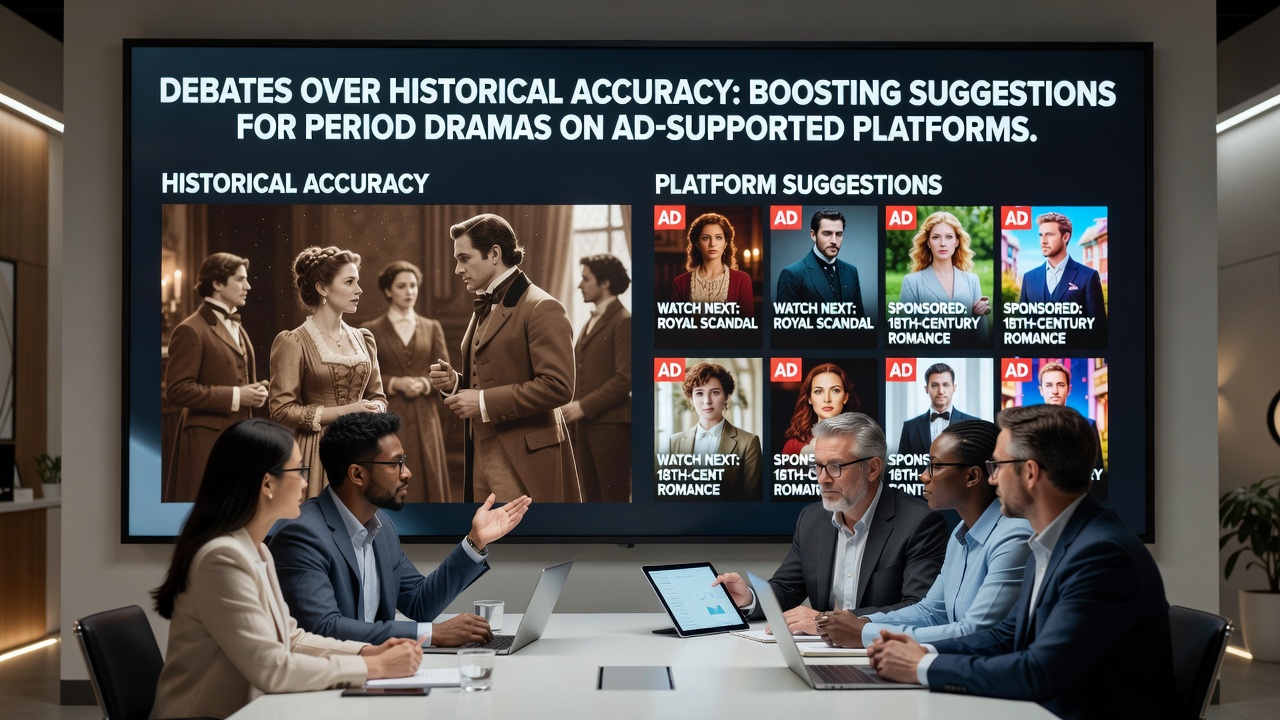
Debates Over Historical Accuracy Boosting Suggestions for Period Dramas on Ad-Supported Platforms
Discussions surrounding historical accuracy in period dramas have gained traction across ad-supported streaming services, where algorithmic recommendations increasingly factor in viewer feedback on factual details. Platforms like those offering free access with advertisements track engagement metrics that reflect how audiences respond to costumes, dialogue, and event portrayals, and data from September 2026 shows these patterns influencing suggestion engines more directly than in previous years.
Researchers at institutions such as the University of Melbourne have documented how inaccuracies noted in forums and review sections prompt adjustments in content categorization, which in turn refines the titles pushed to similar viewers. Observers note that when users flag discrepancies in Regency-era attire or Victorian social customs, those comments feed into systems that prioritize dramas with stronger documented research, creating cycles where accuracy becomes a sorting criterion.
Platform Algorithms and Viewer Input Integration
Ad-supported services collect signals from watch time, pause points, and post-viewing polls, then correlate those with external commentary on historical elements. According to reports compiled by the National Film and Sound Archive of Australia, such data streams allow platforms to elevate productions that align with verified timelines and artifacts while de-emphasizing others that receive repeated accuracy critiques. The process relies on machine learning models that weigh textual analysis from comment threads alongside quantitative metrics like completion rates.
One study released in mid-2026 examined several services operating in North America and Europe and found that dramas set in the 18th and 19th centuries showed the strongest correlation between accuracy debates and shifts in recommendation prominence. Titles with extensive audience discussions about period-specific language or political events moved higher in suggested queues within weeks of those conversations peaking, whereas less contested entries remained static in visibility rankings.
Regional Variations in Content Handling
Differences emerge depending on the geographic focus of the drama and the regulatory environment of the platform's primary market. European services, for instance, draw on archives maintained by bodies like the European Audiovisual Observatory when calibrating suggestion parameters, and this integration produces measurable upticks in plays for productions that match archival records. Meanwhile, services popular in Australia and Canada incorporate feedback from local historical societies, which often highlight indigenous or colonial context omissions that affect how colonial-era dramas appear in user feeds.

Production companies have responded by supplying supplementary materials such as behind-the-scenes research notes that platforms embed as optional viewing layers. These additions generate additional engagement data that algorithms interpret as indicators of viewer interest in factual depth, further boosting the same titles in subsequent recommendation cycles. Figures released by the Canadian Media Fund indicate that dramas accompanied by such materials experienced a 14 percent average increase in suggested placement during the first three quarters of 2026.
Effects on Discovery Patterns
Discovery pathways shift when accuracy conversations intensify around specific subgenres. Regency romances and World War II home-front stories illustrate this dynamic, where clusters of comments about textile authenticity or rationing protocols lead platforms to group those titles under refined metadata tags. The updated tags then surface in searches and personalized rows more frequently, connecting viewers who previously encountered only mainstream entries with lesser-known productions from smaller studios.
Cross-platform analysis conducted by academic teams shows that services relying solely on ad revenue prioritize retention metrics over licensing fees, making them more responsive to accuracy-driven feedback loops. When a drama loses viewers midway because of perceived anachronisms, the resulting drop-off data prompts the system to deprioritize similar works unless counterbalanced by positive accuracy endorsements elsewhere.
Conclusion
Debates over historical accuracy continue to shape how period dramas reach audiences on ad-supported platforms through layered data interactions that combine viewer comments, watch statistics, and archival references. These mechanisms, observed across multiple regions in 2026, demonstrate measurable influence on suggestion outputs without requiring paid promotion or editorial intervention. Continued monitoring by research organizations will clarify whether these patterns stabilize or evolve with further refinements in content tagging and audience analytics.