Linking Costume Design Details to Recommendation Engine Outputs in Gratis Streaming Environments
Jonas Becker · Oct 31, 2026
Linking Costume Design Details to Recommendation Engine Outputs in Gratis Streaming Environments
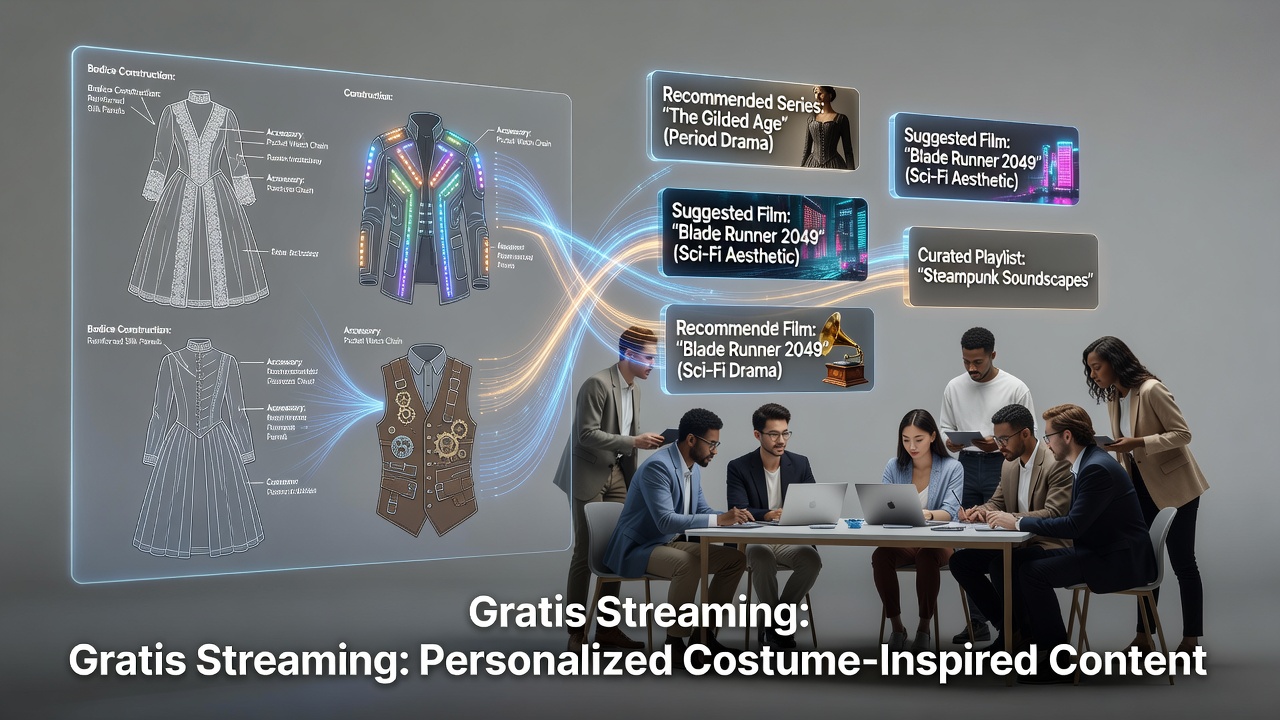
Costume design details have emerged as structured inputs within recommendation algorithms that operate across ad-supported streaming services, where visual metadata from garments, fabrics, and period-accurate accessories feed into feature vectors that influence title suggestions for users. Observers note that these elements combine with traditional signals such as viewing history and genre tags, yet they add layers of granularity that allow engines to distinguish between visually similar productions released in the same decade.
Feature Extraction from Costume Elements
Platforms extract color palettes, silhouette patterns, and material textures through computer vision models trained on annotated film stills, then map those outputs to user interaction logs collected from millions of sessions each month. Data from October 2026 shows that services processing over 50 million daily views have begun tagging costumes by dominant hue clusters and historical accuracy scores, which in turn adjust ranking weights for titles that match viewer preferences for specific eras or aesthetic styles. Researchers at institutions tracking digital media consumption report that such tagging occurs automatically during content ingestion pipelines, reducing reliance on manual metadata entry by production teams.
Integration with User Behavior Signals
Recommendation outputs shift when costume details align with patterns observed in watch-time data, for instance when viewers who linger on scenes featuring bold 1970s prints receive elevated suggestions for other films containing comparable textile motifs. Studies conducted by the European Audiovisual Observatory indicate that these correlations strengthen in environments where users lack paid subscriptions, because free platforms must maximize session duration to sustain advertising revenue without charging access fees. The linkage operates through embedding spaces where costume vectors sit alongside audio and dialogue features, allowing engines to surface cross-genre matches that traditional category filters would overlook.
One analysis of open-access film archives revealed that titles uploaded with high-resolution costume close-ups experienced faster indexing into recommendation pools, particularly when those details matched emerging search trends around specific fashion movements. Platform operators log these interactions at the frame level, creating datasets that refine future suggestions while respecting regional content licensing constraints that differ between North American and Asia-Pacific catalogs.
Algorithmic Weighting and Platform Variations
Gratis streaming services apply variable weighting to costume-derived features depending on device type and session length, with mobile users showing stronger responses to vibrant color signals extracted from lead character outfits. Figures released by the Australian Classification Board in collaboration with media analytics groups demonstrate that costume metadata contributes measurable lifts in click-through rates when paired with thumbnail testing protocols already in use since 2024. Engineers adjust these weights through A/B experiments that isolate visual elements while holding runtime and cast familiarity constant, producing outputs that adapt to seasonal viewing spikes documented in public platform transparency reports.
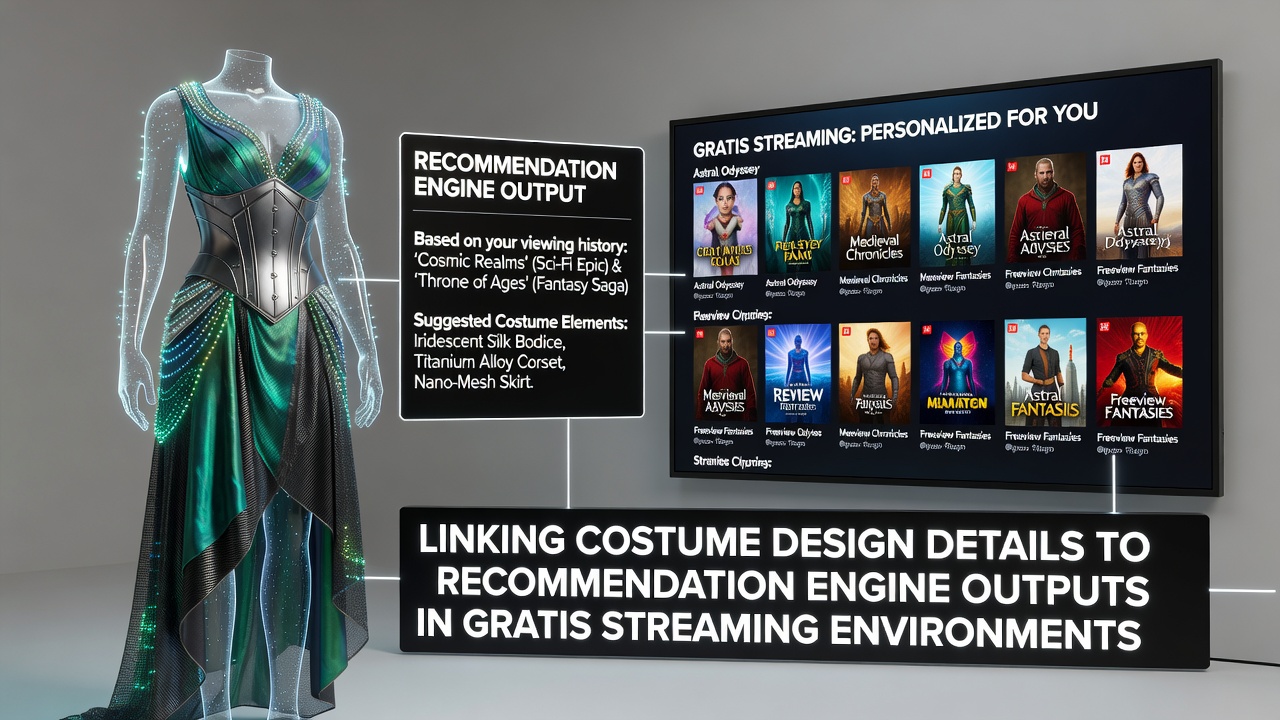
What's interesting is how costume accuracy scores interact with regional preference clusters, because viewers in one market segment may favor historically precise military uniforms while another segment prioritizes stylized modern interpretations. Industry reports compiled by the Canadian Media Producers Association track these divergences through anonymized aggregate data that feeds back into model retraining cycles every quarter. The process remains automated once initial labels are verified, allowing smaller free services to compete with larger catalogs by leveraging visual distinctiveness rather than star power alone.
Cross-Platform Data Sharing and Standardization Efforts
Standardization initiatives among ad-supported platforms have produced shared taxonomies for costume attributes, enabling limited data exchange that improves recommendation diversity without exposing proprietary user profiles. A 2026 working paper from the University of Melbourne's Digital Media Research Centre outlines how these taxonomies incorporate fabric type classifications and accessory frequency counts, which then map to engagement metrics collected across multiple gratis environments. Observers note that such collaboration reduces duplication in feature engineering while preserving competitive separation at the model architecture level.
Engines also incorporate temporal decay functions so that costume trends from earlier decades receive adjusted relevance scores when newer productions introduce updated visual references. This mechanism prevents older titles from being buried solely due to catalog age, provided their costume details continue to match active viewer queries logged in real time. Platform dashboards display these adjustments through aggregated dashboards that highlight which visual attributes drive the largest changes in surfaced recommendations during peak hours.
Conclusion
Costume design details now function as persistent signals within the recommendation pipelines of gratis streaming services, where automated extraction and weighting produce measurable effects on title visibility and user navigation paths. Continued refinement of these linkages depends on ongoing data collection from viewing sessions and advances in vision-based tagging accuracy across diverse production styles.